What Gift Do You Get for Someone Who Has Everything?
At some point, almost everyone runs into this problem. A birthday is coming up. Or an anniversary. Or a thank-you gift you actually care about. And you suddenly realize the person you’re shopping for already has everything. Or at least everything they want.
They don’t need another mug. They’ve upgraded their tech more recently than you have. Their house is already full. Their shelves are styled. Their kitchen drawers don’t have space for one more “useful” item.
So you start searching for what gift to get for someone who has everything, hoping the internet has cracked the code.
Sometimes it helps. Sometimes it makes things worse.
Because most gift guides quietly assume the problem is that you haven’t found the right object yet. As if the answer is just a better version of something they already own. A fancier bottle. A trendier accessory. A slightly more expensive upgrade.
But I’m not sure that’s the real issue.
Why Buying for “That Person” Feels So Hard
When someone already has everything, the pressure shifts. You’re no longer just buying a gift. You’re trying to communicate something. Appreciation. Thoughtfulness. Attention. Effort.
And that’s where it gets uncomfortable.
Because generic gifts feel louder in this situation. They stand out more. A standard item suddenly feels obvious. Like it was chosen quickly. Like it could have been for anyone.
I think that’s why so many people end up stuck here, asking the same question in different ways, scrolling through list after list, hoping something sparks a reaction beyond “oh, nice.”
The problem isn’t that there aren’t enough gift options. It’s that most gifts don’t feel personal by default.
The Shift From “What” to “Why”
Instead of asking what gift to get for someone who has everything, it might help to pause and ask a slightly different question. Why are you giving the gift in the first place?
Is it to celebrate a milestone? Say thank you? Mark a relationship? Acknowledge effort? Or maybe just show you were paying attention.
Once you look at it that way, the gift itself becomes less important than the message behind it.
And that’s usually where customisation comes in. Not in a flashy way. Not engraved-everything-all-the-time. Just enough personal detail to signal intent.
Why Customised Gifts Feel Different (Even When They’re Simple)
There’s something subtle that happens when someone realizes a gift was made specifically for them.
It slows things down.
They read it more carefully. They turn it over. They notice details. They don’t immediately group it mentally with everything else they own.
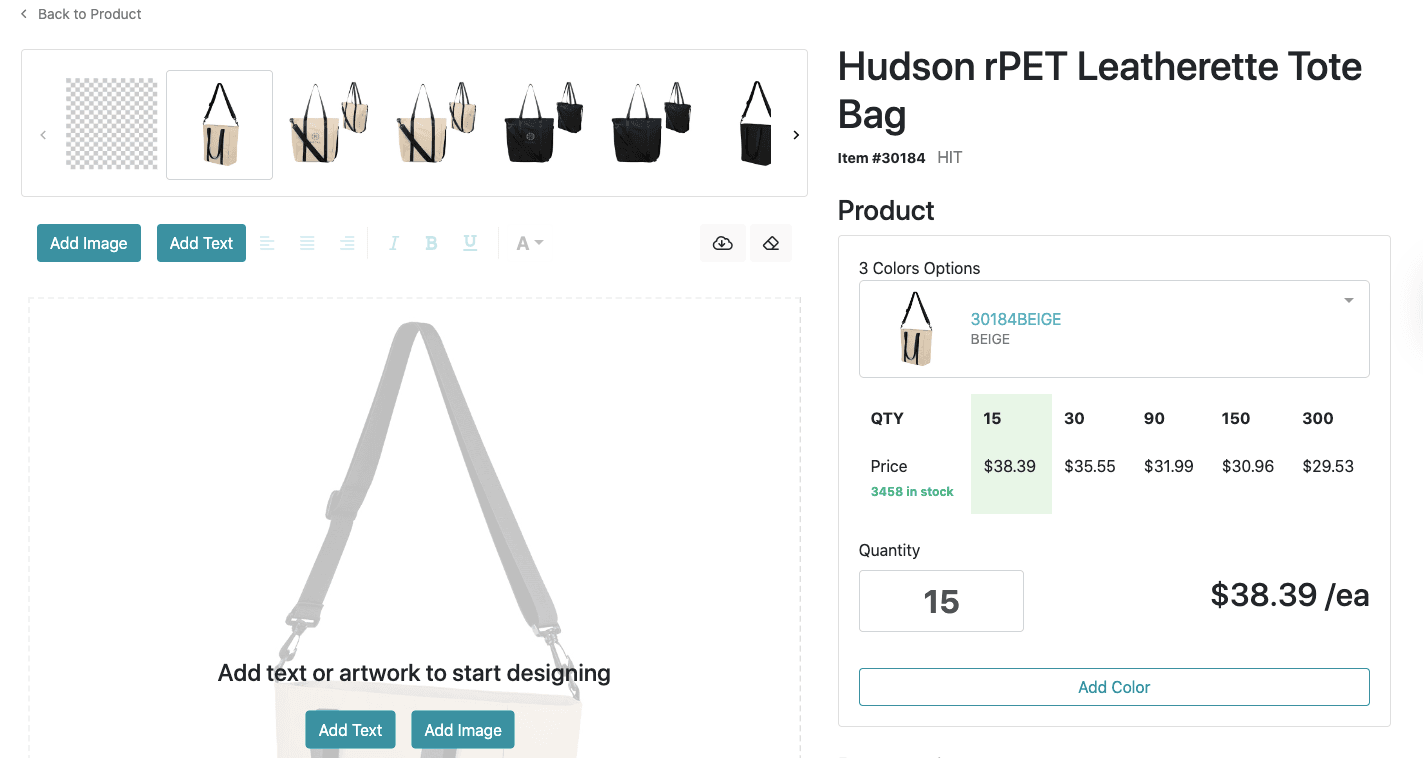
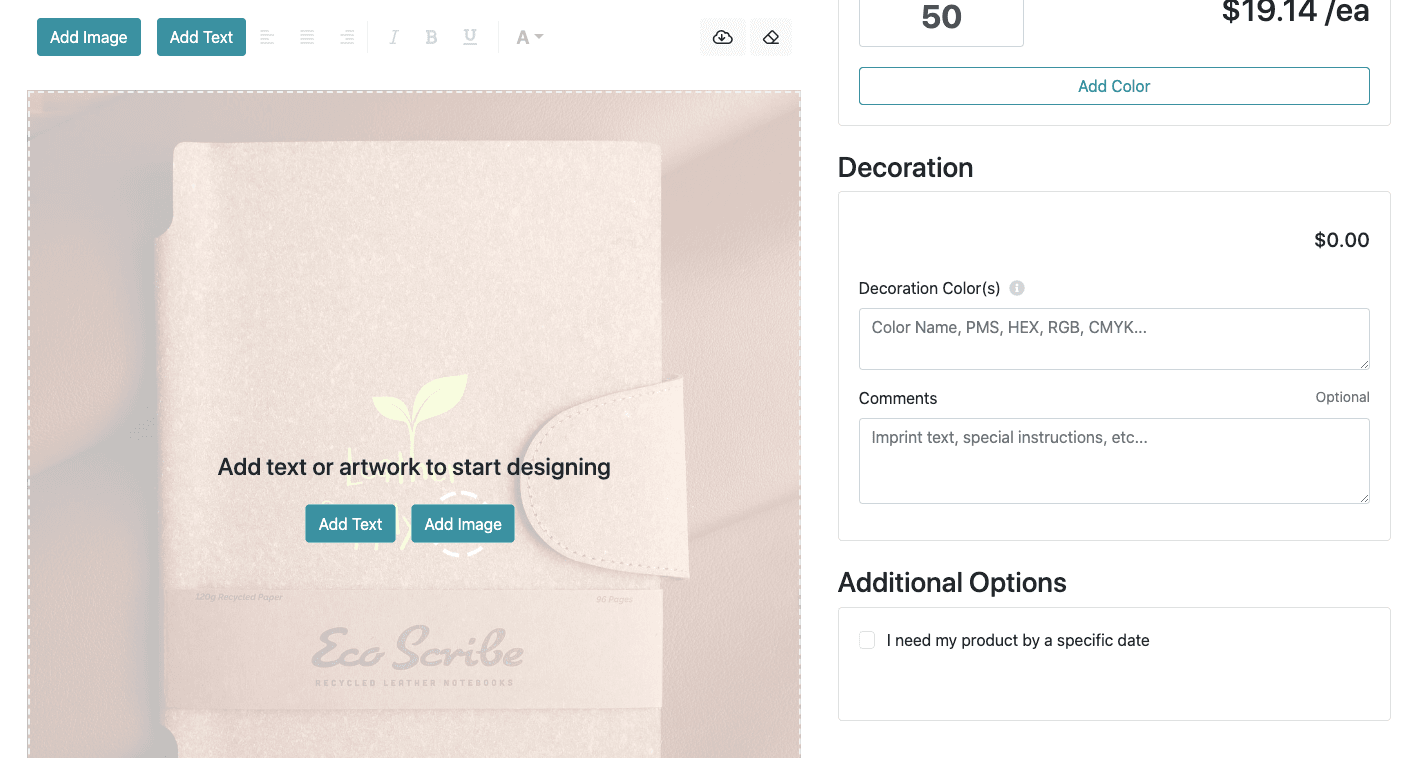
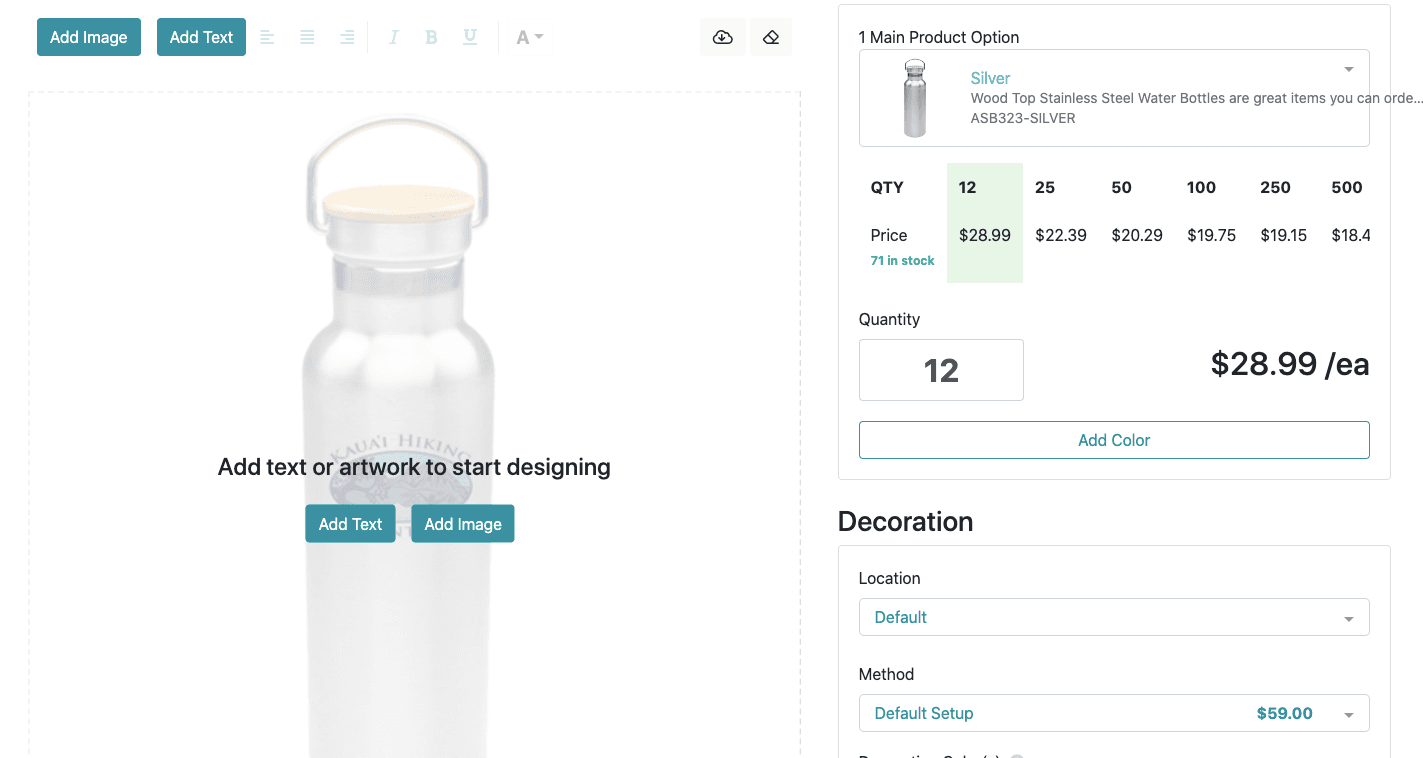
Even practical items feel different when they’re customized. A board. A notebook. A bottle. A bag. These aren’t unusual objects. But once they’re personalized, they stop being generic.
They become theirs.
And interestingly, custom gifts don’t have to be extravagant to feel meaningful. In fact, sometimes the quieter ones land better. The ones that feel like they were chosen with context.
When “Useful” Becomes Thoughtful
A common fear is that customized gifts will feel gimmicky. Overdone. Or too sentimental.
That can happen, yes. But it usually comes down to execution.
There’s a difference between personal and loud.
A name, a date, a phrase that only makes sense to the two of you. These details don’t scream. They sit quietly on an item the person already uses or will use.
This is often why people who “have everything” respond better to personalized practical gifts than decorative ones. They don’t need more things to display. But they’ll happily use something that fits into their routine.
And every time they do, the gift earns its keep.
The Emotional Gap Generic Gifts Can’t Cross
Generic gifts aren’t bad. They’re just limited.
They work well when the relationship is distant or the occasion is formal. But when you actually know the person, generic items start to feel like a missed opportunity.
That’s where the discomfort comes from. You could buy something standard. But it wouldn’t reflect what you know about them.
And when someone has everything, that gap becomes obvious.
That’s why so many people end up back at the same question, phrased slightly differently: What gift to give someone who has everything that doesn’t feel empty?
Why Customisation Signals Effort (Even When It’s Subtle)
One of the interesting things about customized gifts is that they signal effort regardless of price.
The recipient doesn’t know how long it took. Or how easy it was to order. They just know it wasn’t off-the-shelf.
There was a decision. A pause. A choice made specifically with them in mind.
That perception matters more than we like to admit.
At Vertika Promos, we work with a wide range of customisable products, and one thing that comes up again and again is how often people underestimate the impact of small personal details. Not big statements. Just thoughtful ones.
Gifting Without Adding Clutter
Another reason buying for someone who has everything feels difficult is the fear of adding clutter. You don’t want to give them something they’ll feel obligated to keep but never use.
This is where customized everyday items work particularly well. When something already has a purpose, personalisation doesn’t add burden. It adds attachment.
The item earns its place because it’s useful. The personal detail is just the reason it doesn’t get replaced or forgotten.
That balance is important.
Occasions Where Custom Gifts Work Especially Well
Customized gifts tend to shine in situations where the emotional context matters more than the object itself:
Milestones (anniversaries, retirements, promotions)
Thank-you gifts that need to feel sincere
Corporate gifts that shouldn’t feel corporate
Client appreciation gestures
Personal celebrations that aren’t about extravagance
In these moments, the question isn’t “is this impressive?” It’s “does this feel considered?”
The Corporate Gift Problem (And Why Custom Solves It)
Corporate gifting deserves a mention here, because it’s a category where “has everything” is almost the default.
Clients, executives, and long-term partners have seen it all. Bottles. Hampers. Branded items that don’t quite land.
Customization changes the tone. It shifts the gift from promotional to intentional.
When done well, it doesn’t feel like marketing. It feels like recognition.
That’s a fine line, but it’s an important one.
When Custom Isn’t the Answer (Yes, Sometimes)
It’s worth saying this out loud: customization isn’t always the right choice.
If you don’t know the person well, or the context doesn’t allow for personal details, a standard gift can be safer. There are moments where neutral is appropriate.
But when the relationship exists, when there’s shared history, inside knowledge, or a reason for the gift customization usually elevates it.
Even slightly.
And often, slightly is enough.
Reframing the Question Entirely
Maybe the better way to think about what gift to get for someone who has everything isn’t about the gift at all.
Maybe it’s about choosing something that reflects attention rather than novelty.
Something that says, “I thought about this,” instead of, “I didn’t know what else to buy.”
That’s a subtle difference. But people feel it.
Why This Question Keeps Coming Up
If this question keeps resurfacing year after year, it’s probably because people’s expectations around gifting have changed.
Stuff is easy to buy now. Meaning isn’t.
Customized gifts aren’t about solving that problem perfectly. They just tilt the odds in your favour.
They give the gift a reason to exist beyond the moment it’s opened.
Final Thoughts
If you’re stuck wondering what gift to get for someone who has everything, it’s probably because you’re trying to solve the wrong part of the problem.
The object matters less than the intention behind it.
Customization isn’t about making things flashy or sentimental. It’s about anchoring a gift to a person, a moment, or a relationship. Quietly. Naturally.
At Vertika Promos, that idea sits at the centre of what we do. Not because custom is trendy, but because it answers the question people are actually asking, even when they don’t realize it yet.
And maybe that’s the real answer. Not a product. Not a list. Just a shift in how you think about giving.