How to Get Rid of Smells in Wooden Cutting Boards (Without Ruining Them)
Wooden cutting boards have a habit of picking up smells that seem impossible to remove. Onion. Garlic. Fish. Sometimes all three at once. You clean the board, dry it properly, even let it “air out,” and yet the smell is still there. Lingering. Annoying. Almost personal.
If you’ve ever wondered how to get the smell out of wooden cutting board surfaces without damaging the wood, you’re not alone. It’s one of those everyday kitchen problems that feels small, but somehow keeps coming back.
The tricky part is that wood behaves very differently from plastic or glass. It absorbs. It reacts. It remembers. And while that’s part of why wooden boards feel warmer and more natural to use, it’s also why smells tend to stick around longer than we’d like.
This guide walks through what actually causes odours in wooden cutting boards, what works to remove them, what doesn’t, and how to prevent the problem in the first place. No extreme methods. No harsh chemicals. Just practical steps that respect the material.
Why Wooden Cutting Boards Hold Onto Smells
Before trying to fix the smell, it helps to understand why it happens at all.
Wood is porous. Even when sealed, it has tiny capillaries that can absorb moisture, oils, and food particles. When you cut garlic or raw onion, the oils seep into those pores. Fish does the same thing, but more aggressively. Over time, those trapped compounds break down and release odours.
This is also why a Wooden cutting board smell can come back even after washing. The surface might be clean, but the source of the smell is slightly deeper.
That doesn’t mean the board is ruined. It just means it needs a different approach than a quick rinse and sponge.

First Things First: What Not to Do
It’s tempting to try extreme solutions when a smell won’t go away. Most people do at some point. I know I have.
Here’s what to avoid:
Don’t soak wooden boards in water
Soaking causes the wood to swell, warp, and crack. It can also push odours deeper into the grain instead of removing them.Don’t put them in the dishwasher
High heat and prolonged moisture are a bad combination for wood. Even once or twice can shorten the life of a board.Avoid harsh chemical cleaners
Bleach and strong detergents might remove the smell, but they can also damage the wood and leave residues you don’t want near food.
If the goal is to learn how to get smell out of wooden cutting board surfaces without creating new problems, gentler methods work better in the long run.
The Lemon and Salt Method (Simple, Effective, and Underrated)
This is often the first recommendation, and for good reason. It works surprisingly well.
What you’ll need:
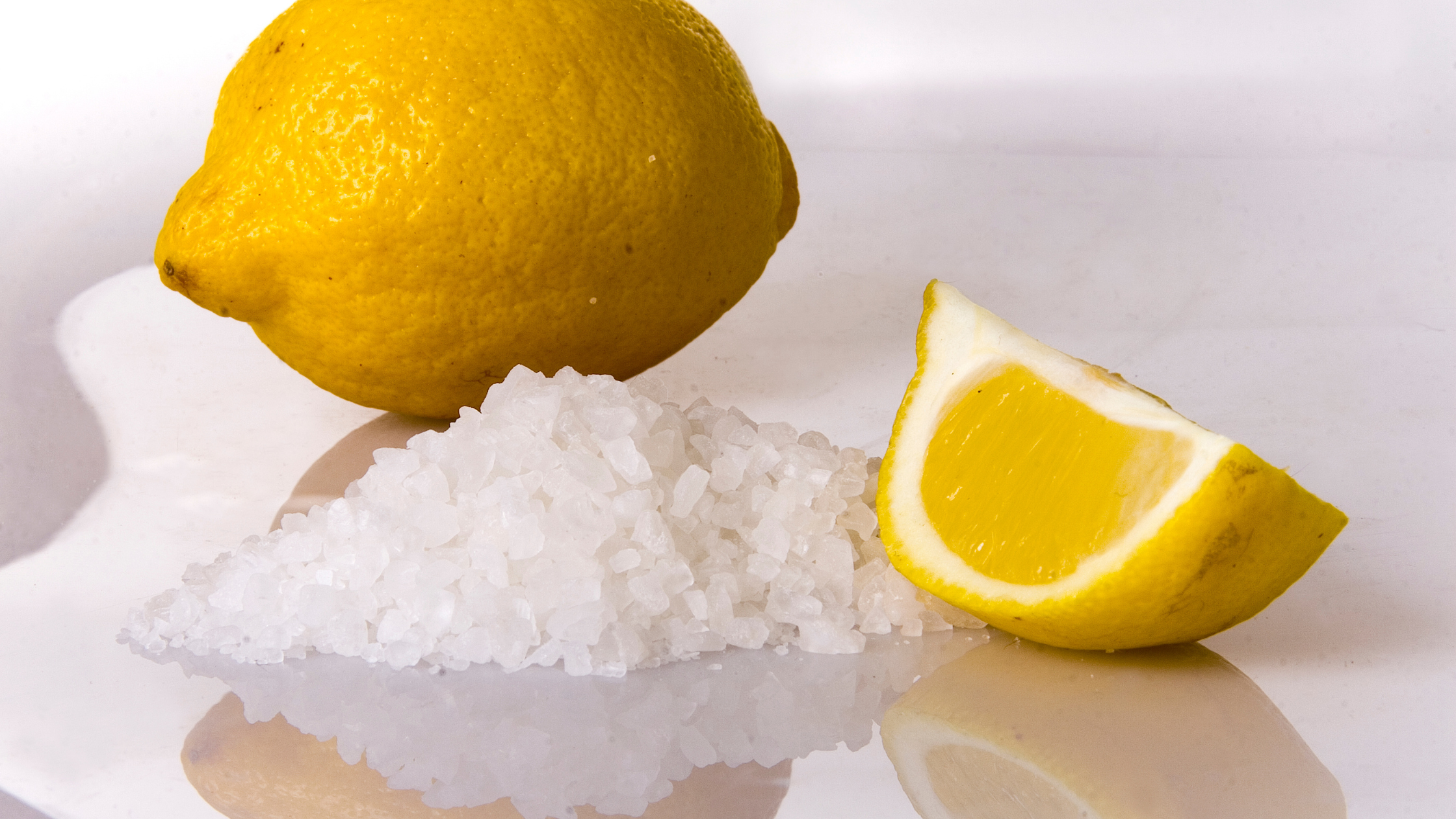
Coarse salt (kosher or sea salt)
A lemon (or bottled lemon juice in a pinch)
How to do it:
Sprinkle a generous layer of salt over the board.
Cut a lemon in half and rub it over the salted surface, squeezing slightly.
Let the mixture sit for 5–10 minutes.
Scrub gently, then rinse with warm water.
Dry immediately and thoroughly.
The salt acts as a mild abrasive, while the lemon helps neutralise odours and lift oils from the wood. It’s not aggressive, but it’s effective.
Sometimes one round is enough. Sometimes it takes two. That’s normal.
Baking Soda for Stubborn Smells
If lemon and salt don’t fully solve the problem, baking soda is the next step.
Baking soda works by absorbing odours rather than masking them. It’s especially helpful for boards that smell “old” rather than strongly of one specific food.
Method:
Mix baking soda with a small amount of water to form a paste.
Spread it evenly across the board.
Let it sit for several hours, or overnight if possible.
Rinse, scrub lightly, and dry completely.
This method is slow, but that’s part of why it works. It gives the baking soda time to draw out what’s trapped in the wood.
Vinegar: Helpful, But Use Carefully
Vinegar is often suggested for cleaning wooden boards, and it can help with smells. But it’s not something to overuse.
A light wipe with diluted white vinegar can kill bacteria and neutralise odours. However, repeated use can dry out the wood.
If you use vinegar:
Dilute it 1:1 with water
Wipe, don’t soak
Rinse immediately
Follow up with oil once the board is dry
This method is best used occasionally, not weekly.
Sunlight and Fresh Air (Yes, Really)
This one feels almost too simple, but it does help.
After cleaning, placing your board in indirect sunlight or a well-ventilated area can help remaining odours dissipate. UV light has mild antibacterial properties, and airflow speeds up drying.
Just avoid direct, harsh sun for long periods. It can cause cracking or uneven fading.
Why Oiling Matters More Than People Think
A dry board is more likely to absorb smells. Oiling creates a barrier that slows absorption and makes cleaning easier.
Food-grade mineral oil is the most common option. Apply it once the board is fully dry:
Pour a small amount onto the surface
Rub it in with a cloth
Let it soak overnight
Wipe off excess
Regular oiling doesn’t just make the board look better. It actually helps prevent future smell issues.
This step is often skipped, which might be why people keep searching how to get smell out of wooden cutting board solutions instead of preventing the problem entirely.
Are wooden cutting boards sanitary?
This question comes up a lot: Are wooden cutting boards sanitary?
The short answer is yes, when they’re properly cleaned and maintained. Several studies have shown that wood has natural antibacterial properties. Bacteria tend to get trapped and die off rather than multiply on the surface.
That said, strong lingering smells can indicate trapped organic matter. While not automatically dangerous, it’s a sign the board needs attention.
Cleaning, drying, and oiling go a long way toward keeping wooden boards both safe and pleasant to use.
Preventing Smells Before They Start
Prevention is easier than removal. A few habits make a noticeable difference:
Rinse immediately after use
Avoid cutting raw meat and strong-smelling foods on the same board if possible
Dry boards upright, not flat
Oil regularly
Rotate boards if you have more than one
Many people keep one board for produce and another for proteins. It’s not essential, but it does reduce odour buildup.
A Note on Engraved and Custom Boards
Engraved or personalised boards require a bit more care. The grooves from engraving can trap moisture and oils more easily than flat surfaces.
That doesn’t mean they’re harder to maintain. It just means cleaning and drying need to be a little more intentional.
At Vertika Promos, we work with a wide range of wooden cutting boards, including customisable options. Over time, you notice patterns. Boards that are well cared for age beautifully. Boards that aren’t tend to develop smells faster.
When It Might Be Time to Replace a Board
Sometimes, despite best efforts, a board just won’t let go of a smell. Deep cracks, heavy warping, or years of neglect can make recovery difficult.
That doesn’t mean wooden boards are a bad choice. It just means they’re not indestructible.
If a board smells even after deep cleaning and oiling, it may be safer (and more pleasant) to replace it.
Final Thoughts
Learning how to get smell out of wooden cutting board surfaces isn’t about one magic trick. It’s about understanding why smells happen and responding with the right level of care.
Wood is forgiving, but it has limits. Treat it well, and it lasts for years. Ignore it, and it starts reminding you, usually with the smell of last week’s garlic.
A little routine maintenance goes a long way. And once you get into the habit, it stops feeling like effort and starts feeling normal. Just part of using something real, natural, and well-made.
And perhaps that’s the quiet appeal of wooden boards in the first place. They ask for a bit of care. In return, they last.